

Laminate vs Vinyl Flooring: Water, Wear and Where Each One Works
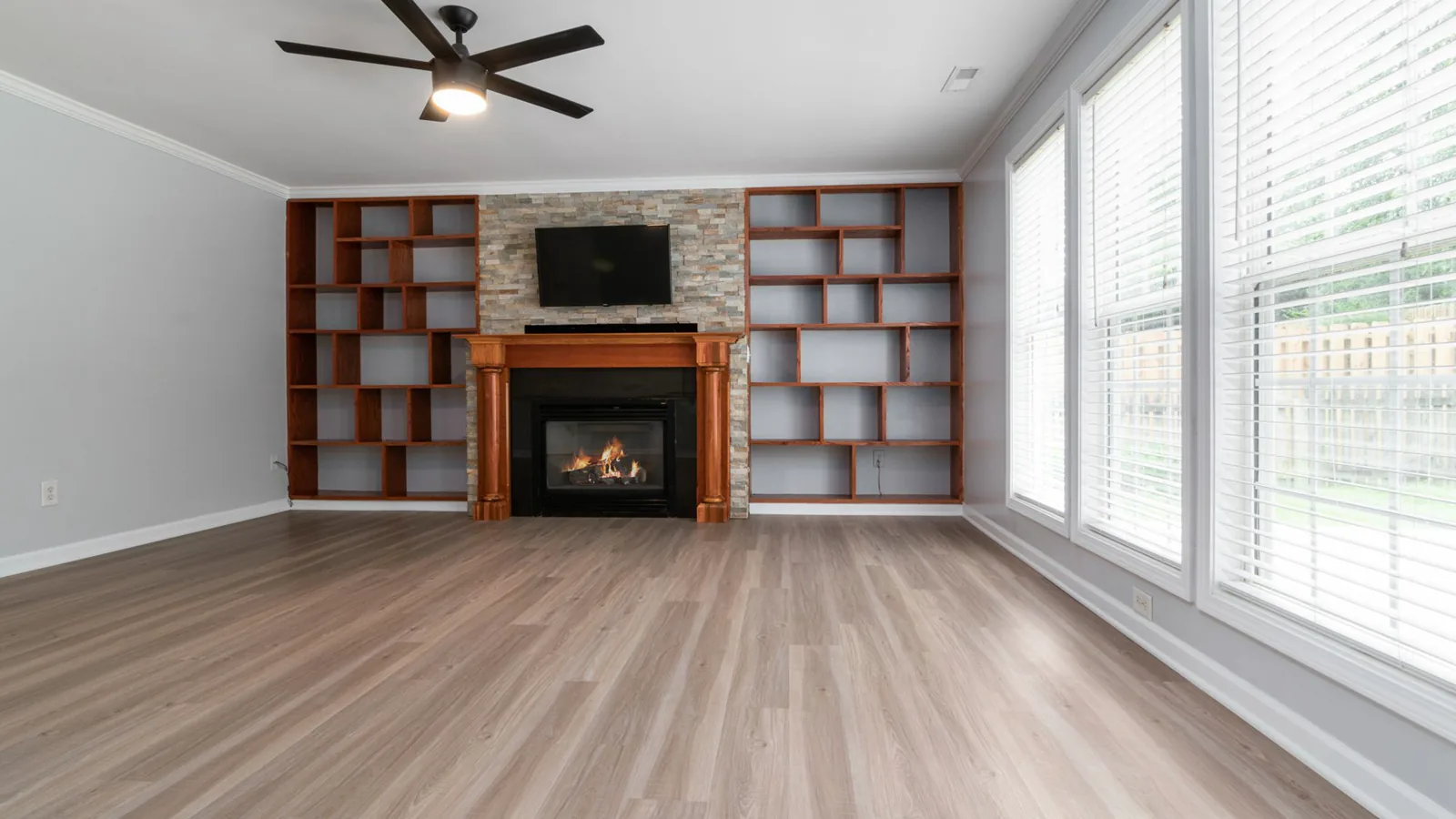
In the laminate vs vinyl flooring decision, water picks the winner in wet rooms and scratches pick it in dry ones. Vinyl plank is waterproof, so it belongs in kitchens, basements, bathrooms and entries. Laminate has a harder surface that resists scratches and dents from daily life, and it feels more like wood underfoot, which makes it a strong choice for bedrooms, living rooms and upper floors.
Both floors click together, float over an underlay and copy the look of wood. Both sit at the lower end of the budget range compared with hardwood or tile. Most homeowners in the GTA end up using both: vinyl downstairs and in the kitchen, laminate in the rooms that stay dry. This guide explains the trade-offs, the ratings printed on the box and the rooms where each one earns its place.
What is the difference between laminate and vinyl flooring?
They look alike in the box. The core is where they part ways, and the core decides how each one reacts to water, weight and temperature.
Laminate: compressed wood fibre
A laminate plank starts with a core of high-density fibreboard, made from wood fibres pressed under heat. A printed photo of wood or stone sits on top, sealed under a hard melamine wear layer, and a balancing layer goes on the back. That top layer is tough, which is why laminate shrugs off chair legs and dog nails. The fibreboard core is the weak point. It is wood-based, so it swells if water reaches it.
Vinyl: plastic all the way through
Vinyl plank uses PVC in place of wood fibre. Older flexible vinyl planks are thin and bendable and glue down or lie flat. Most vinyl sold for homes today is rigid core: a stiff core of stone and PVC (SPC) or foamed PVC (WPC), with a printed layer and a clear wear layer on top. The Resilient Floor Covering Institute outlines how vinyl planks can be glued, floated or loose-laid, depending on the product. With no wood in the core, water does not swell it.
How do laminate and vinyl compare?
Use this table as a quick reference. The sections that follow explain each point.
| Factor | Laminate | Rigid-core vinyl plank |
|---|---|---|
| Core | High-density fibreboard (wood fibre) | Stone-PVC (SPC) or foamed PVC (WPC) |
| Water | Water-resistant at best; swells if water sits on the seams | Waterproof planks |
| Scratches | Hard melamine surface, rated by AC class | Good, rated by wear-layer thickness; grit scuffs it |
| Dents | Good | SPC good; WPC and flexible vinyl dent more |
| Feel underfoot | Firm and warm, closest to wood | Firm and cooler, softer with an attached pad |
| Sound | Can sound hollow without a good underlay | Can sound clicky without a good underlay |
| Sun and heat | Stable in strong sun | Needs the expansion space the maker asks for |
| Best rooms | Bedrooms, living rooms, upper floors | Kitchens, basements, bathrooms, entries |
Is vinyl or laminate better for water?
Vinyl wins. A rigid-core vinyl plank can sit under a puddle for hours and come out unchanged, so it suits the rooms where water shows up sooner or later: the kitchen sink, the dishwasher, the laundry room and the basement.
Laminate has improved. Many newer boards carry a water-resistant rating, with sealed edges and tighter locking joints that keep a spill out for hours. Read the fine print, though. The North American Laminate Flooring Association’s own laminate FAQ advises against bathrooms and other wet areas unless the maker labels the product waterproof. Water that gets into the fibreboard core makes the edges peak, and swollen laminate does not shrink back.
Basements and slab moisture
A GTA basement adds moisture from below. Concrete slabs breathe damp air into the floor above them, and older homes with no membrane under the slab feel it most. Vinyl tolerates that; laminate needs a vapour barrier under it and still carries more risk if the basement ever takes on water. Our guide to flooring that survives a GTA basement covers membranes, sump pumps and the materials to avoid.
Which is more scratch resistant, laminate or vinyl?
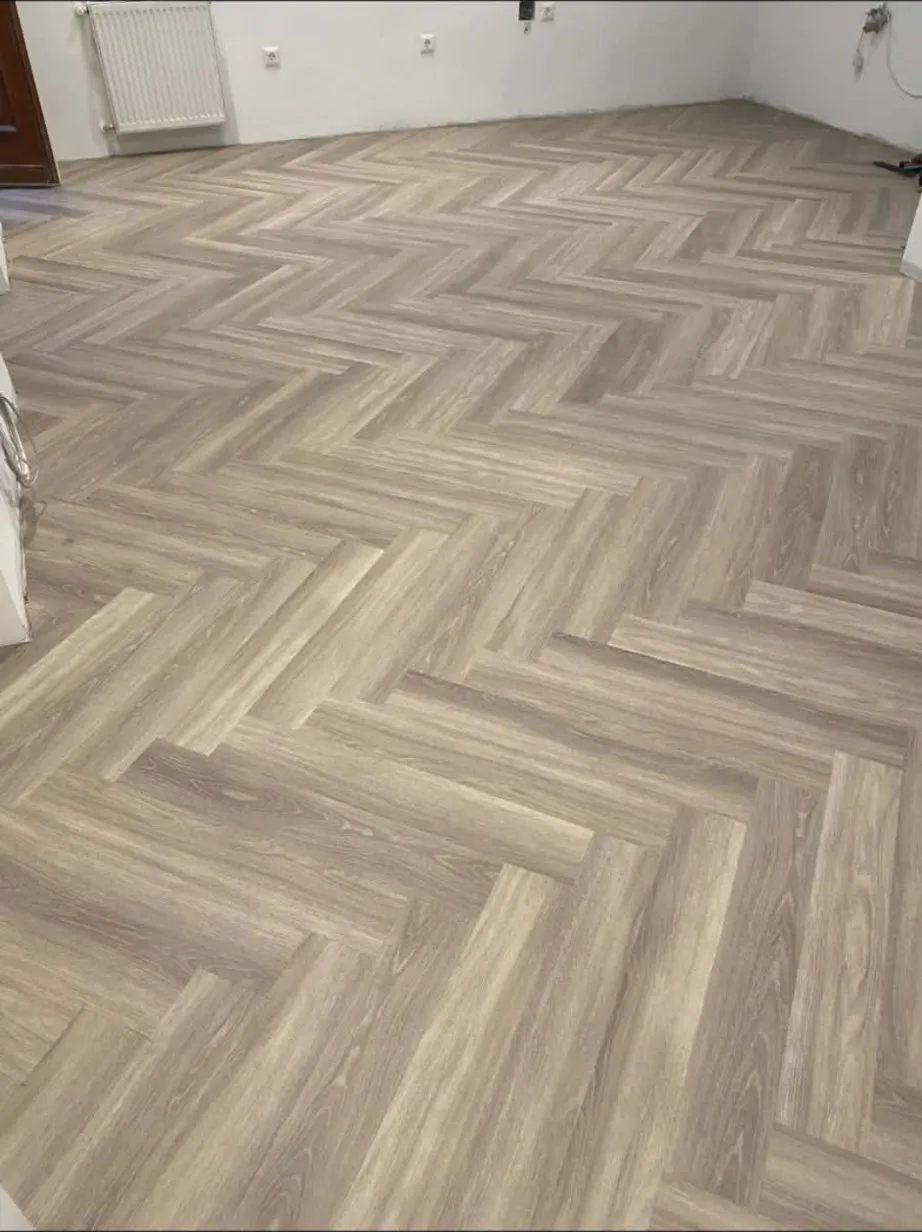
Laminate. Its melamine surface is among the hardest wear layers in residential flooring, and it handles sliding chairs, pet nails and kids’ toys better than vinyl. Vinyl resists everyday wear well, but grit dragged under a chair leg or a sharp edge of a moved appliance can cut into it.
Reading an AC rating on laminate
Laminate boxes list an AC (abrasion class) rating from AC1 to AC5, based on a standard abrasion test. AC3 suits most busy homes, and AC4 handles heavy traffic and light commercial use. In North America, the industry association certifies boards against a performance standard with residential and commercial use levels, which tests scratch, stain, impact and moisture swell. A certified board tells you more than a thickness number on its own. Our page on laminate installation across the GTA lists the board ratings worth asking for.
Reading a wear layer on vinyl
Vinyl plank lists the thickness of its clear wear layer in mil (thousandths of an inch). A thicker wear layer lasts longer: 12 mil suits bedrooms and light use, while 20 mil or more makes sense for kitchens, hallways and homes with dogs. Don’t confuse the wear layer with the total plank thickness. A thick plank can carry a thin wear layer.
If you share your home with a large dog, our guide to pet-proof flooring for dog owners ranks both floors against claws, accidents and traction.
Is rigid-core SPC vinyl the same as laminate?
No, although the two look and install alike. Both are stiff click planks that float over an underlay and bridge small dips in the subfloor. The difference is still the core. SPC is denser and heavier, waterproof, and a little cooler to the touch. Laminate is lighter, warmer and harder on the surface, and it carries more convincing embossed texture on many boards.
Rigid-core vinyl also forgives a less-than-flat floor better than flexible vinyl, which shows every bump in the subfloor beneath it. Laminate needs a flat floor too. Either way, an installer checks the subfloor with a long straightedge and levels the low spots before any plank goes down.
Which is quieter and warmer underfoot?
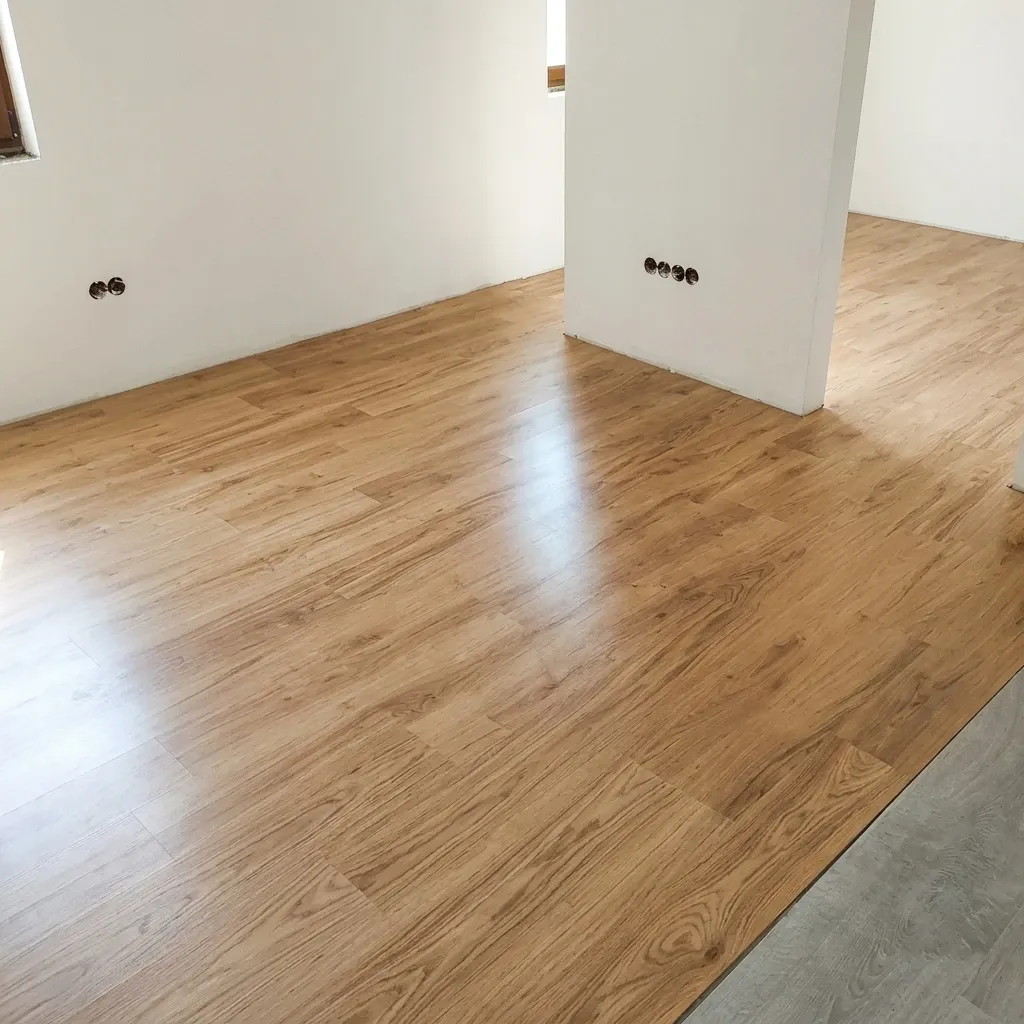
Both are hard, floating floors, and both can sound hollow or clicky if the underlay is thin. Laminate tends to sound more like wood under hard shoes; vinyl has a duller, plastic tap. The underlay decides most of it. Some vinyl planks come with a pad bonded to the back, and laminate always needs a separate underlay unless one is attached. For laminate and vinyl, we fit an IIC 72 certified underpad where a building needs it, which matters in condos and in stacked townhouses where someone lives below you.
Laminate also feels warmer. Its wood-fibre core holds less chill than a stone-plastic core, so on a ground floor over a cold slab, bare feet notice the difference in January. A WPC vinyl or one with a cork back narrows that gap.
Which is better for kitchens, basements and bedrooms?
- Kitchen: vinyl plank. Dishwashers and sinks leak sooner or later. Our kitchen floor guide also weighs tile and engineered wood.
- Basement: vinyl plank, over a membrane if the slab runs damp.
- Bathroom and laundry: vinyl plank, or porcelain tile.
- Front entry: vinyl or tile. Salt and slush sit on the floor all winter.
- Bedrooms and upstairs halls: laminate. It is warm, quiet with a good underlay and resists scratches.
- Living and family rooms: laminate for scratch resistance, or vinyl if you want one floor that runs into the kitchen.
That last point matters in the open-plan main floors of newer subdivisions, where builder-grade carpet comes out of the family room and the kitchen sits in the same space. One continuous vinyl floor avoids a transition strip in the middle of the room. If the rooms divide, a mix works: our laminate flooring service can run the bedrooms while our vinyl plank installers handle the kitchen and basement. Our own installers do the work, with no subcontractors. Most rooms are typically completed in one to three days, depending on size and subfloor. If real wood is still on your list, compare it in our engineered hardwood and vinyl plank breakdown.
Laminate and vinyl questions
Is laminate or vinyl better for a whole house?
Many homes do best with both: vinyl plank in the kitchen, entry, bathrooms and basement, and laminate in the bedrooms and living areas. If you want one floor everywhere, rigid-core vinyl is the safer pick because it handles the wet rooms.
Is laminate flooring scratch resistant?
Yes. A laminate board with an AC3 or AC4 rating has one of the hardest surfaces in residential flooring. Felt pads under furniture and a mat inside the door keep it looking new.
Can laminate go in a kitchen?
A water-resistant laminate can work in a kitchen if you wipe spills up fast and the dishwasher has a leak tray. Vinyl plank is the lower-risk choice.
Which lasts longer, laminate or vinyl plank?
In a dry room, a well-rated laminate often outlasts vinyl because its surface resists scratches better. In a room that sees water, vinyl lasts longer because water does not damage the plank.
What affects the price of laminate or vinyl flooring?
The product rating, the underlay, removal of the old floor, subfloor levelling and the number of doorways and transitions. Our guide to what drives a flooring installation price explains each item, and the measure and written quote are free.