

How to Choose a Flooring Contractor: A GTA Homeowner’s Checklist
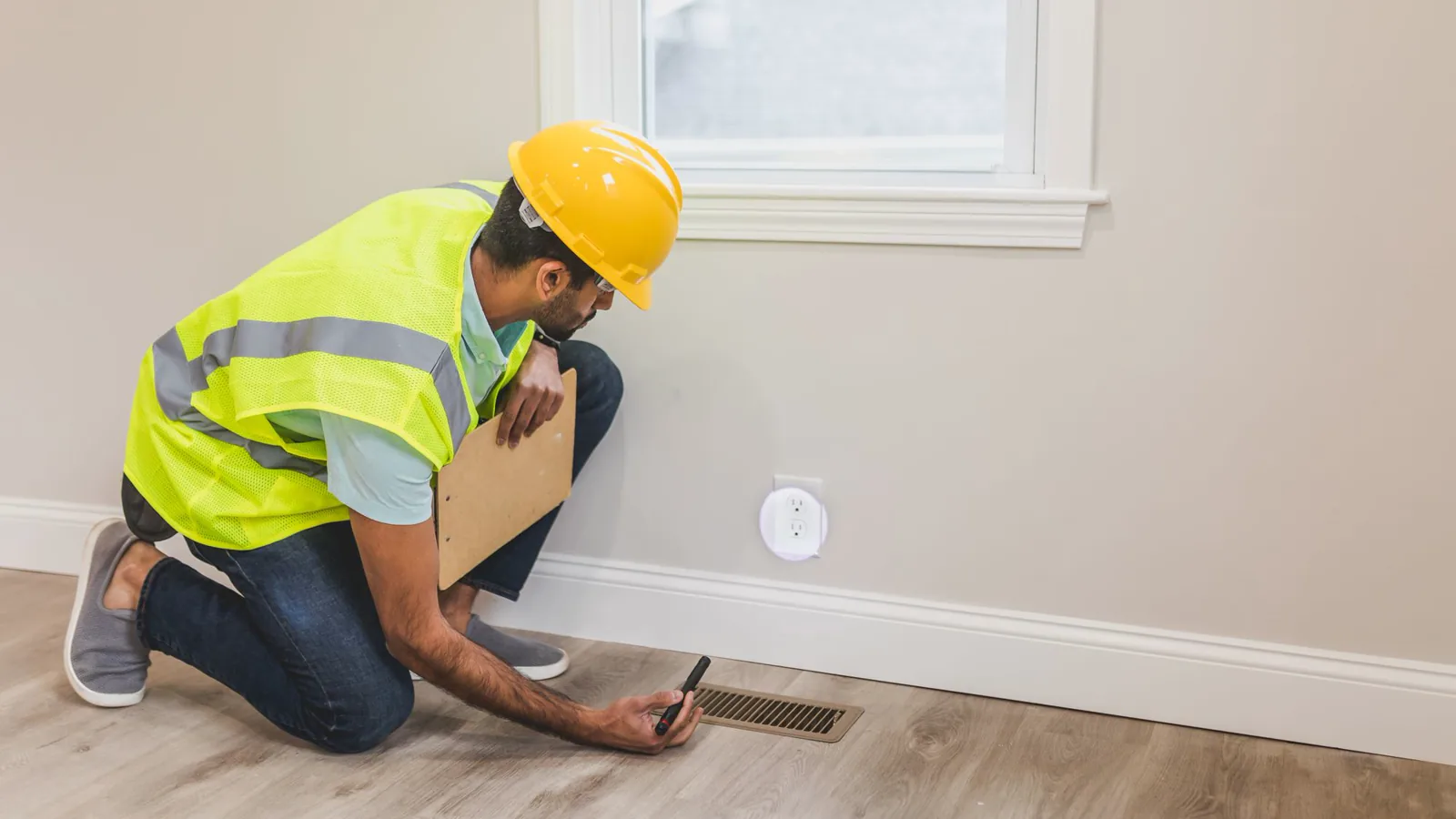
Knowing how to choose a flooring contractor comes down to four checks: a written quote that lists every room, the subfloor prep, removal and trim; a straight answer on who will install the floor; proof of insurance and WSIB coverage; and reviews from jobs like yours. A contractor who measures in person and puts the full scope on paper is easier to hold to the price and the finish.
Most GTA homeowners hire a flooring installer once or twice in a decade, so the questions feel unfamiliar. This checklist covers what to ask at the measure, how to read two quotes side by side and the warning signs that tell you to keep looking. It applies whether you are replacing builder-grade carpet in a Brampton subdivision, levelling an old floor in an Etobicoke bungalow or redoing a condo suite that needs board approval.
What should a flooring contractor’s written quote include?
The quote is your record of what you agreed to buy. Ontario’s consumer protection guide tells homeowners to get written estimates and refuse any estimate given without an inspection. A useful flooring quote names each of the items below, in words you can check on the day the crew arrives.
Rooms, area and material
Each room should appear with its measured area, the product name and colour, and the extra material ordered for cuts. Patterns such as herringbone use more material than straight plank, and a good quote shows that difference instead of burying it in one total. If the contractor supplies the flooring, ask whether delivery to your door or your condo loading dock is part of the price.
Subfloor preparation
Prep separates a floor that lasts from one that squeaks or opens at the seams. In a post-war bungalow, prep can mean screwing down loose plywood and planing a high joist. On a basement or condo slab, it means grinding high spots and filling dips with levelling compound. A careful contractor checks the floor with a long straightedge at the measure and writes the expected prep into the quote. A line that reads “prep as needed” with no detail leaves room for a surprise charge on day two.
Removal, disposal and furniture
Ask who lifts the old floor, who hauls it away and who moves the furniture. Pulling up carpet and pad is quick work. Breaking out ceramic tile set in mortar, or scraping glued sheet vinyl off a basement slab, takes far longer, and the quote should reflect which one you have.
Baseboards, transitions and stairs
New floors meet old ones at doorways, and each meeting point needs a transition strip or reducer. Baseboard or quarter-round, door trimming and stair nosings should each have a line. Stairs are a job of their own, so expect them priced per flight with the tread, riser and nosing finish spelled out.
Who installs the floor: the contractor’s own crew or subcontractors?
Plenty of flooring companies sell the job and hand it to a subcontractor. The installer who arrives had no part in the promises made at the measure, and when a problem shows up, the company and the installer can point at each other. Ask the question in plain words: will the people working in my home be your employees?
An in-house crew answers to the company that signs your contract. They follow the same standards from one job to the next, and the person who quoted your floor can brief them before day one. At Luxury Flooring, our own installers do the work, with no subcontractors. You can read how the business runs and who leads the crews on our company background page.
Ask how many installers will come and who leads the job each day. A two-person crew on a full main floor works to a different schedule than a larger crew, and you want one named contact for questions about layout, cuts and trim. Our article on how many days a flooring job takes shows how prep, material and stairs shape the calendar.
What insurance should a flooring contractor carry?
Two kinds of coverage matter. Liability insurance pays for damage to your home, such as a cracked tub during tile removal or a pipe hit by a fastener. Workplace coverage protects you if an installer is hurt in your house.
Ask for a liability certificate
Request a certificate of insurance in the company’s own name, with an expiry date after your install dates. A contractor with coverage can email the certificate the same day. Hesitation, or a promise to send it after the deposit clears, tells you something.
Check WSIB coverage
In Ontario, construction businesses need workplace insurance, with a few exceptions. The Workplace Safety and Insurance Board issues a clearance that shows a contractor is registered and up to date, and you can ask for it before you sign. If a subcontractor will do the work, ask for that business’s clearance as well.
Luxury Flooring is WSIB covered and carries general liability insurance, and we will provide a clearance certificate and proof of insurance on request. Ask for it when you book your free measure.

Deposits and payment schedule
Keep the deposit small and tie later payments to finished stages. The same Ontario guide warns against paying the full amount before the work is done and against cash deals with no receipt. A written schedule protects both sides: you know when each payment falls due, and the crew knows what must be complete first.
How do you check a flooring contractor’s reviews and past work?
A star rating tells you the average. The written reviews tell you how a company behaves when something goes wrong. Read the three-star reviews as well as the five-star ones, and look for the same names, the same delays or the same praise across many jobs.
Look for reviews that match your project. A company with strong reviews for laminate in new subdivisions may have little experience levelling a 1950s floor or preparing a condo board application. Ask for photos of finished work in homes like yours, and ask to see stairs if your project includes them.
Our clients rate us 9.8 out of 10, and the full set sits on our page of homeowner reviews. Over 10 years in business and hundreds of renovations have filled our gallery of finished floors and stairs, so you can judge the work before anyone visits.
What warranty should a flooring contractor give you?
Two warranties cover a new floor. The manufacturer covers the product. The installer covers the workmanship. Ask for both in writing and ask what voids each one. Many product warranties depend on the installer following the manufacturer’s instructions for acclimation, expansion gaps, moisture testing and underlay, so a careless install can cost you the product warranty too.
Ask how a claim works in practice: who you call, how soon someone comes out and whether the same crew returns. Every Luxury Flooring job carries a 2-year warranty, written into the paperwork. Ontario’s guide makes a fair point here as well: a contractor’s reputation and time in business count for more than the length of any warranty.
Extra checks for condos and basements
A condo job adds paperwork. Ask whether the contractor has handled board applications before and can supply product data sheets and the underlay’s sound test report. Our breakdown of condo sound ratings and board paperwork lists what most property managers ask for.
A basement job adds moisture. Ask how the contractor tests the slab and what happens if the reading comes back high. A basement quote with no mention of moisture has skipped a step. Our guide to floors that cope with a damp slab explains which materials suit a below-grade room.
What are the red flags when hiring a flooring installer?
- A price over the phone before anyone has seen the floor.
- A large deposit, a cash-only request or no HST on the invoice.
- “Prep as needed” with no description of the subfloor work.
- No answer on who installs the floor, or a different name on the day.
- No insurance certificate, or one issued to another company.
- Pressure to sign today to hold a price or a start date.
- A start date too soon for the material to arrive and settle in your home.
- A burst of reviews that all appeared in the same few weeks.
One red flag can have an innocent cause. Two or three together tell you to keep looking.
How do you compare two flooring quotes side by side?
Lay the quotes next to each other and go line by line. The lowest total often leaves out something the higher quote included.
| Item | A complete quote says | A vague quote says |
|---|---|---|
| Rooms and area | Each room measured, with area and cut allowance | One total for “main floor” |
| Material | Brand, collection, colour and thickness | “Laminate, client’s choice” |
| Subfloor prep | Levelling, screwing down or moisture testing named | “Prep as needed” |
| Removal | Type of old floor, with disposal included | Not mentioned |
| Trim and transitions | Baseboard, quarter-round, reducers, door trimming | “Finishing extra” |
| Stairs | Priced per flight, with nosing and riser finish | Not listed |
| Warranty | Workmanship term in writing | A verbal promise |
If one quote lists an item and the other doesn’t, ask the second contractor to price it. Our explainer on what drives a flooring price covers each factor in more depth. Then follow these steps to hire:
- List the rooms and stairs. Note any rooms with tile, glued floors or a basement slab.
- Book in-home measures with two or three contractors.
- Ask each one the same questions about who installs, what prep and what insurance.
- Compare the written quotes with the table above.
- Check the insurance certificate and WSIB clearance.
- Read reviews and look at photos of work like yours.
- Sign a contract that states the scope, dates, payment schedule and warranty.
If you are comparing flooring installers in Toronto, we would be glad to be one of the quotes on your table. Book your measure through our free quote request form.
Hiring questions
How many quotes should I get for flooring installation?
Two or three gives you a fair range. Ontario’s consumer guide suggests at least three written estimates for renovation work. Past that, the details start to blur.
What questions should I ask a flooring installer?
Ask who will install the floor, what subfloor prep the price includes, whether removal and disposal are covered, what insurance and WSIB coverage they carry, how long the job will take and what the workmanship warranty covers.
Should a flooring contractor charge for a quote?
Many measure and quote at no charge, and we do too. A paid site visit can make sense for an unusual job, but the fee and what you get for it should be clear before anyone comes out.
Is it better to buy flooring myself or through the installer?
Buying through the installer keeps one party responsible for the quantity, the underlay and the trim. We pass on trade pricing on materials. If you buy your own, confirm the quantity and accessories with your installer before you order.
How far ahead should I book a flooring contractor?
It depends on the season and the size of the job. Spring and early fall fill up first in the GTA. Booking a measure a few weeks before your target date leaves time to choose material, order it and let it settle in your home.